
What You Need to Know
- 🌡️ Record-Breaking Heat: May 2025 was the second warmest May globally, with temperatures significantly above historical averages.
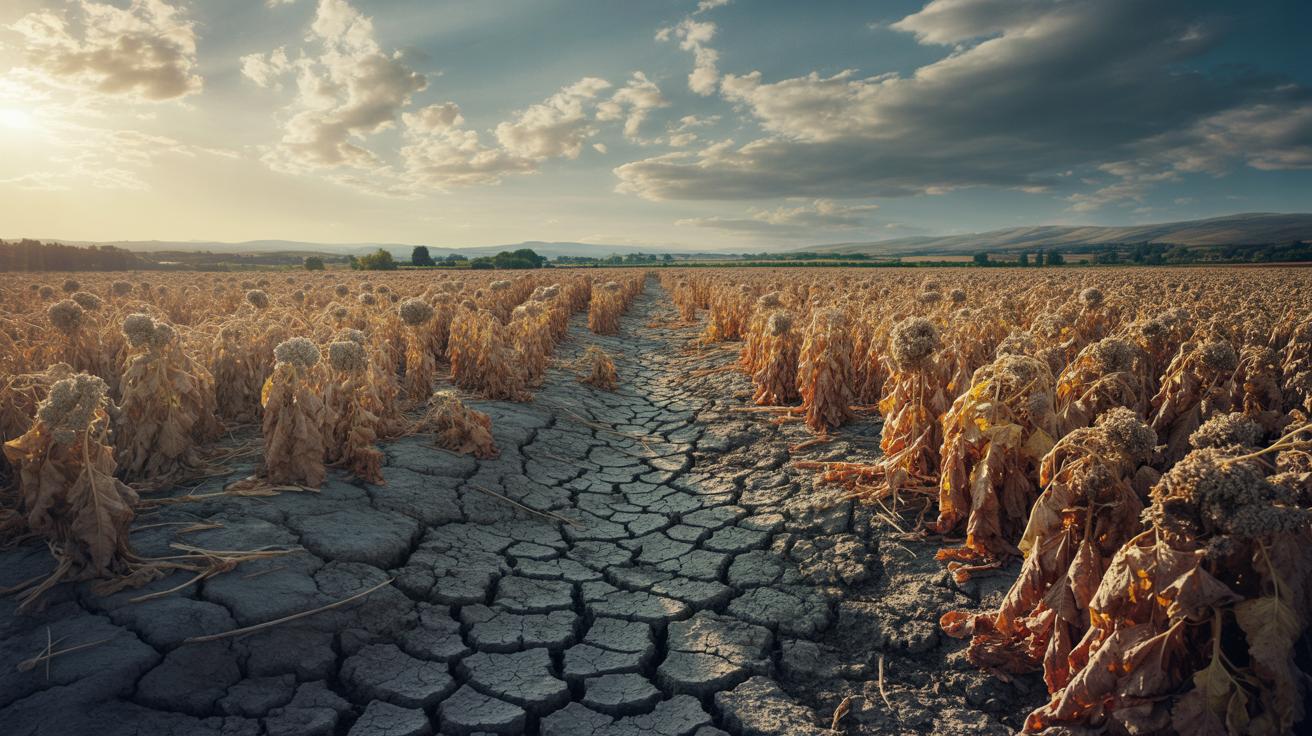
- 🚱 Drought Woes in Europe: North-western Europe faces severe drought conditions, leading to fears of water shortages and crop failures.
- 🌍 Global Dryness: Widespread dry conditions were reported across multiple continents, including North America and parts of Africa and Asia.
- 🌊 Rising Sea Temperatures: The north-eastern Atlantic experienced its highest recorded sea surface temperatures, impacting weather patterns and marine life.
- 🤝 Call to Action: The ongoing climate crisis underscores the urgent need for international collaboration to implement sustainable practices and reduce emissions.
In recent months, Europe has been grappling with a severe environmental challenge that has raised alarms across the continent. Reports from the Copernicus Climate Change Service (C3S) indicate that May 2025 was the second warmest May recorded globally. This alarming rise in temperature coincides with an exceptionally dry spring in north-western Europe, leading to fears of drought and water shortages. As global temperatures soar, the implications for agriculture, water resources, and daily life become increasingly dire. This article delves into the recent climatic shifts, their impact on Europe, and the broader global context of these changes.
Europe’s Battle with Drought
As temperatures rise, Europe finds itself in the throes of a significant environmental crisis. Countries across the continent, including the UK, have been experiencing severe drought conditions. These droughts have not only exacerbated water shortages but have also started to impact agriculture, with reports of crop failures beginning to surface. Farmers are increasingly worried about the sustainability of their livelihoods as the lack of rainfall continues to threaten their produce.
The situation is particularly dire in north-western Europe, where spring has been exceptionally dry. In fact, some regions have recorded the lowest precipitation and soil moisture levels since at least 1979. Without substantial rainfall this summer, the fear of prolonged water shortages looms large. This pressing issue not only affects agriculture but also has a ripple effect on various sectors, including industries that rely heavily on water resources.
Global Temperature Trends and Their Alarming Implications
The recent data from Copernicus reveals that the average surface air temperature for May 2025 was 60.42°F, which is 0.95°F above the 1991-2020 average for May. This figure is also 2.52°F above the estimated 1850-1900 average used to define pre-industrial levels. Such a significant deviation from historical temperature norms underscores the pressing nature of the climate crisis. This interruption in the period of 21 months out of 22, where the global average temperature was more than 2.7°F above pre-industrial levels, offers a brief respite, but experts warn that the 2.7°F threshold is likely to be exceeded again soon.
The implications of these rising temperatures are far-reaching. Every year of the past decade has ranked among the 10 hottest on record since 1850. This trend serves as a stark reminder of the ongoing climate emergency and the urgent need for action to mitigate further warming. The increase in temperature not only affects weather patterns but also contributes to rising sea levels and the melting of ice caps, posing significant challenges for both human and natural systems.
Global Dryness: A Widespread Phenomenon
Drought conditions are not limited to Europe alone. May 2025 also saw dry weather affecting large parts of the world. Regions in North America, the Horn of Africa, central Asia, southern Australia, and parts of both southern Africa and South America experienced drier than average conditions. This widespread dryness highlights the global nature of the issue, emphasizing that climate change knows no borders.
Additionally, May witnessed abnormally high sea surface temperatures in the north-eastern Atlantic, reaching their highest recorded levels. Such anomalies in sea surface temperatures can have cascading effects, influencing weather patterns and marine life. The interconnected nature of climatic systems means that changes in one part of the world can have significant impacts elsewhere, further stressing the need for a coordinated global response to climate change.
The Path Forward: Navigating Climate Challenges
With the world facing unprecedented climatic shifts, the need for proactive measures has never been more critical. The 2015 Paris Agreement set a climate target to limit global warming to 2.7°F above pre-industrial levels, a goal that is becoming increasingly challenging to meet. While a single year above this level does not signify a failure, it does highlight the intensifying nature of the climate crisis.
Governments, organizations, and individuals must collaborate to implement sustainable practices, reduce greenhouse gas emissions, and invest in renewable energy sources. Adaptation strategies are equally vital, ensuring communities can withstand and recover from the impacts of climate change. As the world faces this daunting challenge, the question remains: how can we collectively accelerate our efforts to safeguard the planet for future generations?
Did you like it?4.5/5 (30)




7 comments
Genesis7
Does anyone else feel like we’re living in a climate change documentary? This is getting intense!
Samuel
Wait, Europe is facing droughts now? That’s a wake-up call for everyone around the world. 🌍
bella4
Reading this makes me want to become an environmental activist. We’ve got to save the planet!
James
Can international cooperation really make a difference at this point, or are we past the point of no return?
Ian0
Oh no! Europe running out of water? Sounds like a plot twist from a sci-fi movie! 😅
dylan
Thanks for sharing this crucial information. It’s high time we all start taking climate change seriously and act now!
noraastral
It’s terrifying to see how fast climate change is impacting us. What can individuals do to help mitigate these changes?