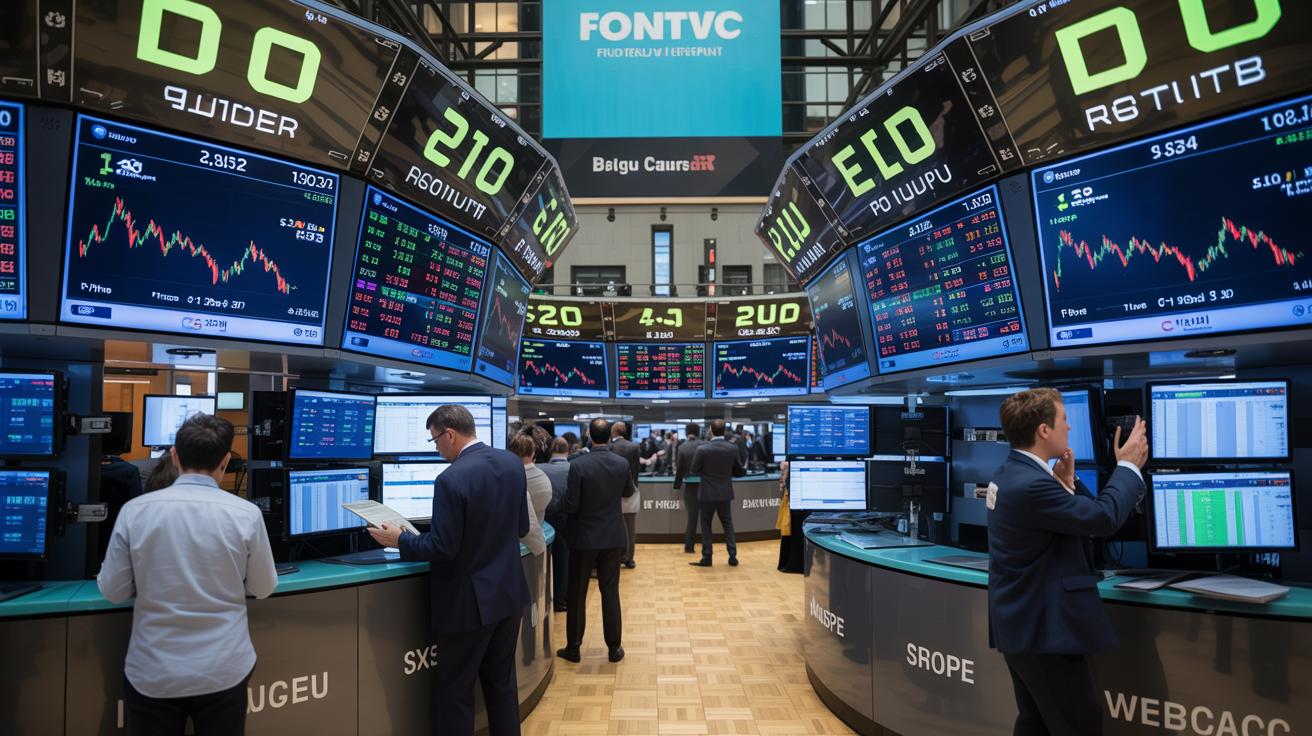
What You Need to Know
- 📉 Stock Futures Decline: Futures tied to major indices, including the Dow Jones Industrial Average, S&P 500, and Nasdaq-100, saw declines as investors grappled with ongoing market volatility.
- 📊 Corporate Earnings Impact: Gap shares fell over 14% due to a weaker-than-expected second-quarter outlook, while Ulta Beauty and Dell Technologies experienced gains thanks to strong first-quarter results.
- 🌍 Global Trade Tensions: The reinstatement of U.S. tariffs, following a court decision, contributed to market uncertainty, particularly affecting Asia-Pacific markets and tech stocks.
- 📈 Investor Sentiment Shifts: The AAII survey revealed increased pessimism among investors, with bearish sentiment growing and concerns over tariffs, the economy, and inflation influencing market outlooks.
- 📅 Upcoming Economic Data: Investors are closely watching for the release of the Federal Reserve’s preferred inflation gauge, the personal consumption expenditures index, which could further affect market dynamics.
The stock market is a dynamic and ever-evolving landscape that fascinates investors and analysts alike. Recently, the global trading environment has been marked by volatility, driven by a mix of economic indicators, corporate earnings, and geopolitical developments. As we delve into the complexities of the current market trends, we will explore the impact of U.S. tariffs, investor sentiment, and economic data that are shaping the financial world. This article aims to provide a comprehensive overview of the latest developments, highlighting the intricacies of the stock market and its potential future directions.
U.S. Tariffs and Their Impact on Global Markets
The reinstatement of U.S. President Donald Trump’s tariffs has sent ripples through global markets, particularly affecting the Asia-Pacific region. These tariffs have become a major source of uncertainty for investors, causing fluctuations in stock prices across various sectors. In Japan, the Nikkei 225 index dropped by 1.22%, while South Korea’s Kospi index fell by 0.84%. This market turbulence underscores the significance of trade policies in influencing investor sentiment and market dynamics.
Moreover, the uncertainty surrounding these tariffs has led to a cautious approach among investors, as they grapple with the potential economic ramifications. The fluctuating stance on trade duties highlights the broader geopolitical challenges that can affect market stability. As the world watches the developments in U.S. trade policy, the question remains: How will these tariffs continue to influence the interconnected global economy?
 Continue exploring with this post : Love Horoscope For July 19, 2025 — Unexpected Revelations Shake Your World
The Volatile World of Tech Stocks
Technology stocks have been at the forefront of recent market movements, experiencing significant volatility due to trade tensions. In Japan, companies like Lasertec and Renesas Electronics saw sharp declines, with losses of 4.19% and 3.98% respectively. The impact of tariffs on tech giants highlights the sensitive nature of this sector to geopolitical developments.
In South Korea, chipmaker SK Hynix experienced a decline of 3.77%. Meanwhile, in Hong Kong, tech companies like Robosense and Nio led losses with drops of 5.57% and 5.78%. These figures illustrate the vulnerability of tech stocks to external factors and the potential for rapid market shifts. Investors are left to ponder: Can the tech sector regain its footing amidst ongoing trade uncertainties?
Investor Sentiment and Economic Data
The American Association of Individual Investors (AAII) survey reveals a growing sense of pessimism among investors. Bearish sentiment increased to 41.9%, well above the historical average, reflecting concerns over tariffs, the economy, and inflation. This sentiment shift underscores the challenges that investors face in a complex economic landscape.
Conversely, bullish sentiment has dropped below its historical average, indicating a cautious outlook for the future. Investors are closely monitoring economic data, such as the Federal Reserve’s preferred inflation gauge—the personal consumption expenditures index. The anticipation of inflation data adds another layer of complexity to investor decision-making. With such a nuanced economic environment, one must ask: What strategies can investors adopt to navigate these uncertain waters?
Corporate Earnings and Market Movements
Corporate earnings continue to play a pivotal role in shaping market trends. Recent reports highlight mixed performances across various sectors. For instance, Gap’s stock plummeted over 16% due to disappointing second-quarter revenue guidance, overshadowing an earnings beat for Q1. In contrast, Dell Technologies saw its shares rise by 5% after surpassing analyst estimates in Q1 revenue.
These earnings reports exemplify the diverse factors influencing stock movements, from consumer retail to technology. As companies navigate economic headwinds and investor expectations, the ability to adapt and innovate becomes crucial. The question remains: How will corporate strategies evolve to meet the challenges of this ever-changing market landscape?
 Continue exploring with this post : 3 Zodiac Signs Experience Unparalleled Growth & Prosperity On July 19, 2025
As the stock market continues to navigate the complexities of trade policies, economic data, and investor sentiment, the path forward remains uncertain. The interplay between geopolitical developments and market dynamics presents both risks and opportunities for investors worldwide. As we look to the future, one must consider: What unforeseen events might further shape the trajectory of the global stock market?
Did you like it?4.5/5 (22)